


Enable AI FinOps with real-time token attribution
Gain full transparency into AI unit economics. Centralize control, eliminate Shadow AI, and secure LLM infrastructure with the OpenLM Enterprise AI Gateway.
Solving both sides of the AI cost equation
API consumption (AI Gateway)
Pay for what you use
Monitors granular API traffic, token volume, and latency for developers and DevOps.
Subscription management (SaaS Agent)
Pay for who you have
Reclaim unused seat-based licenses (e.g., Claude Pro, Cursor) for IT and Procurement.
Eliminate Shadow AI across the organization
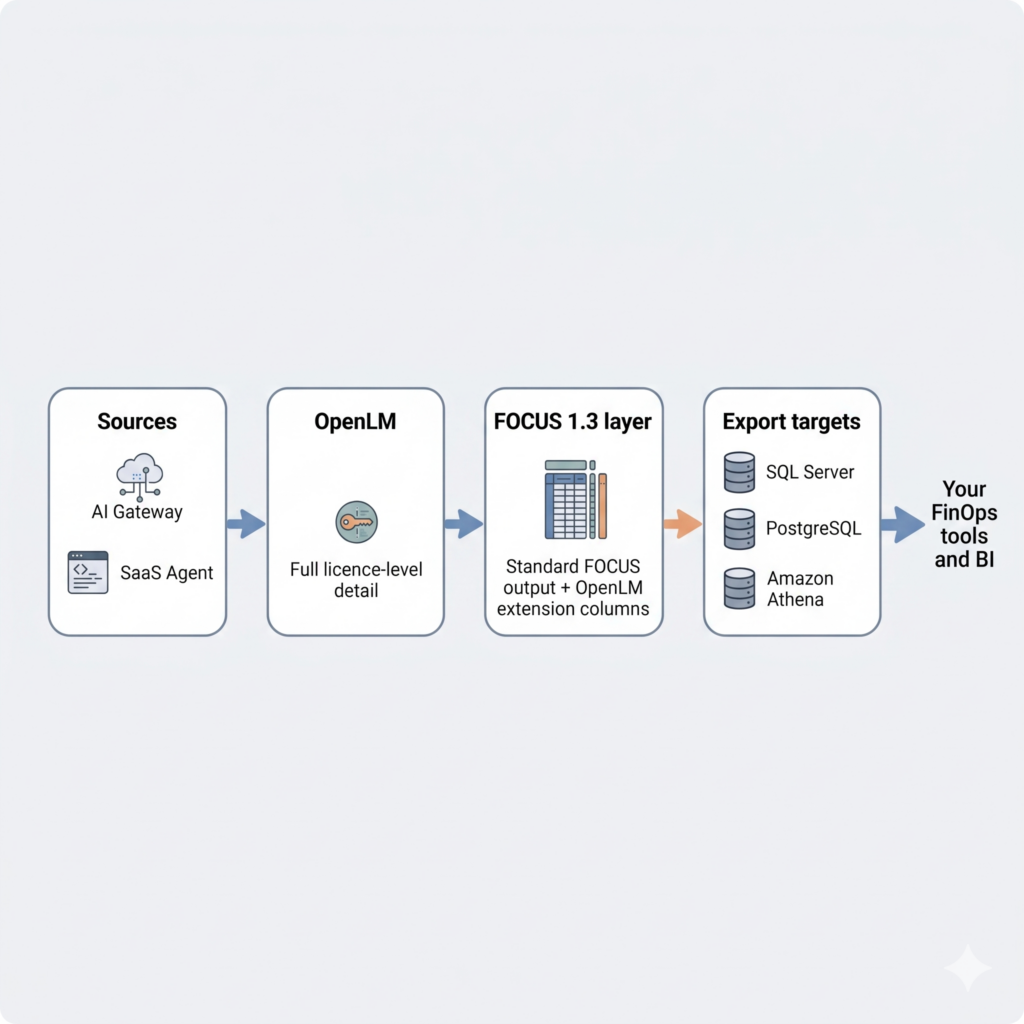
Bring “under-the-radar” LLM usage into view. Move from unmanaged processes to a governed environment that tracks every token in real time and stores it in FOCUS 1.3 format.
Enterprise-grade AI infrastructure control

Precise token attribution
Attribute every token to a user, project, or department. Add per-token pricing in SAM to turn usage into cost, ROI, and chargeback.
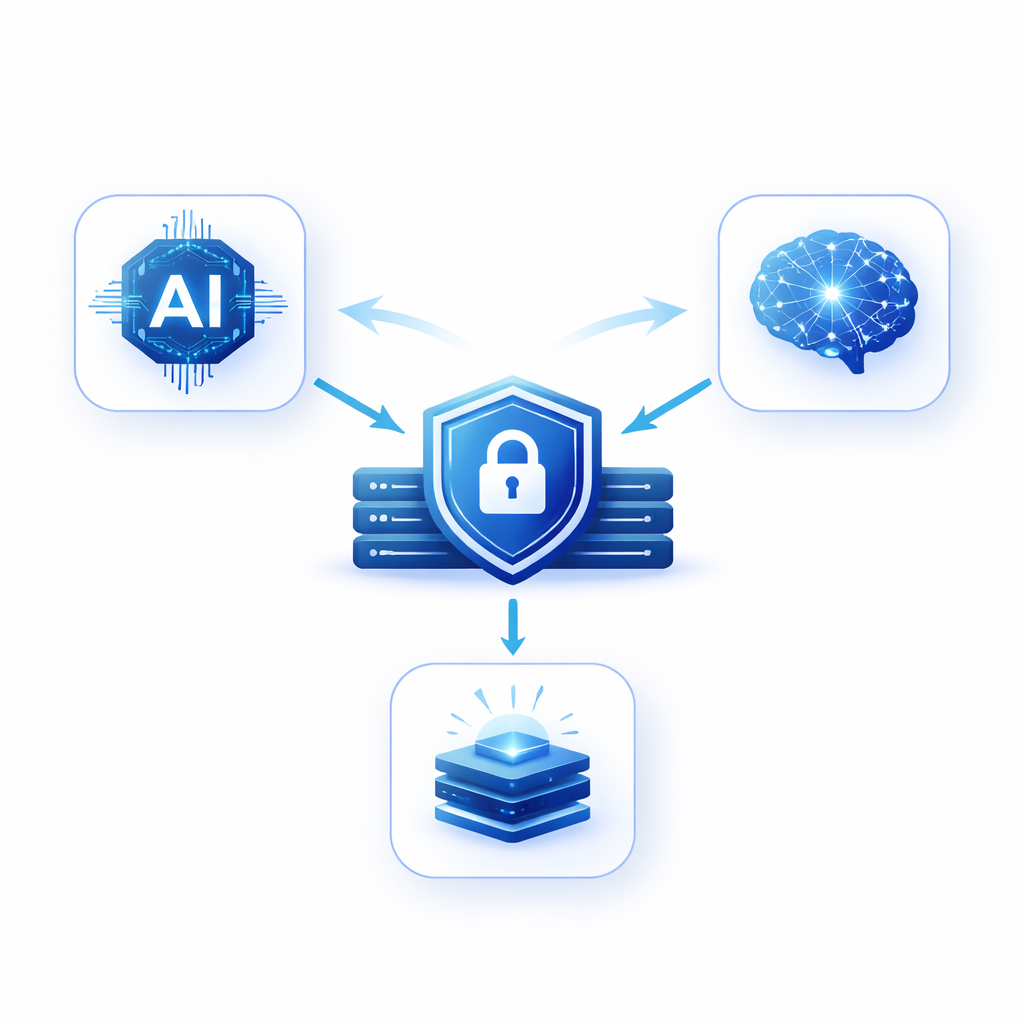
Model-agnostic AI gateway
A single, standardized entry point for Google Gemini, Anthropic Claude, and OpenAI—ensuring your governance remains intact regardless of which LLM you choose tomorrow.

Real-time guardrails
Move beyond simple throttling to active policy enforcement. Block PII leaks, toxic content, or high-cost queries before they reach the provider.
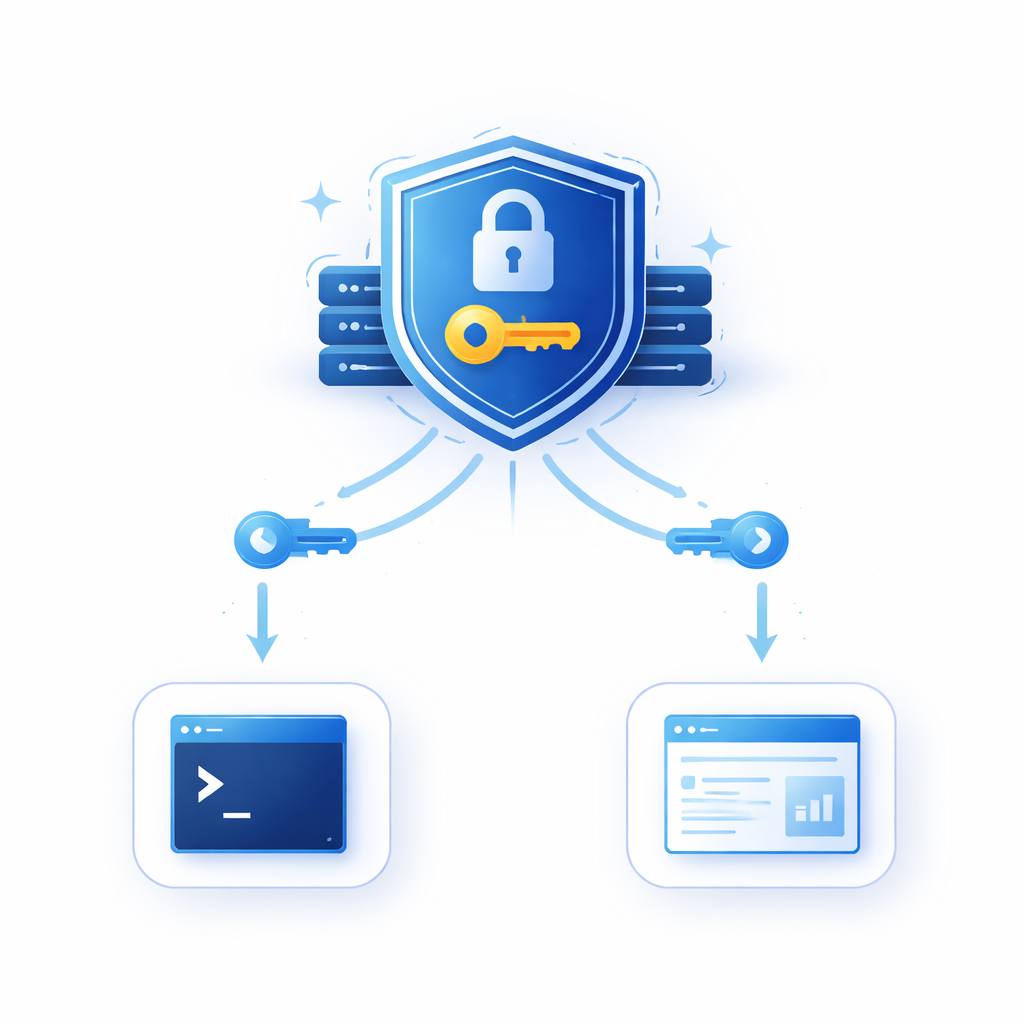
Privacy-first monitoring
Built-in PII redaction and security protocols ensure that while you monitor metadata (tokens/latency), your sensitive prompt data remains private.

Model-agnostic integration for professional workflows
OpenLM Enterprise AI Gateway fits into existing development environments without disrupting productivity.
Claude Code CLI & Developer Tooling
Developers can route traffic through the AI Gateway by updating endpoint configurations. This ensures “under-the-hood” terminal usage and automated scripts are captured in corporate token budgets.
Eliminate Shadow AI
Bring unmanaged AI usage into a governed environment. Our gateway provides visibility into unauthorized LLM access while maintaining a seamless developer experience.
Monitoring for seat-based licenses like Cursor AI and Claude Pro is handled via the OpenLM SaaS Agent integration, providing a 360-degree view of both usage-based and seat-based costs.
Export AI usage in FOCUS 1.3 format to your FinOps tools
OpenLM stores AI token usage and consumption in the FOCUS 1.3 structure (FinOps Open Cost and Usage Specification), on SQL Server, PostgreSQL, or Amazon Athena. Export it to your own database or FinOps platform and combine it with your cost data, so engineering usage and spend can be analyzed together to reveal further savings.
Support for FOCUS 1.4 is in development.
What standard FinOps data misses, OpenLM captures
FOCUS standardizes cost and usage, but the current specification doesn’t measure the signals that show where engineering spend is wasted. OpenLM delivers them as extension columns alongside standard FOCUS data, and plans to propose them to the FinOps Foundation.
| Metric | What it shows | In the FOCUS standard | In OpenLM |
|---|---|---|---|
| Peak concurrency | The most licences or seats in use at the same moment, so you buy for real demand | No | Yes |
| Denials | When users were refused a licence, a sign of under-provisioning | No | Yes |
| Idle checkouts | Licences checked out but not actively used | No | Yes |
AI is one part of your engineering spend. OpenLM also tracks software licences, license tokens, and HPC jobs, so you can see AI alongside the rest of your engineering estate.
Unified visibility across the AI open-source ecosystem
OpenLM is committed to an open-source-first integration strategy. We aggregate telemetry from leading AI gateways and egress proxies into a single dashboard, with AI usage available in FOCUS 1.3 format, alongside your engineering software estate.
Organizations already utilizing LiteLLM for model orchestration can now leverage OpenLM to bridge the gap between technical usage and financial accountability. By centralizing data from these open-source tools, OpenLM eliminates the need for fragmented reporting and brings AI into your broader software asset management strategy.
| Provider | Integration type | Status |
|---|---|---|

| Native telemetry ingestion | Live / Available | |

![]() |
AI gateway observability | Coming soon |
![]() |
Egress proxy monitoring | Coming soon |

Measurable business outcomes
Drive operational efficiency and financial accountability across your AI infrastructure.
Eliminate Shadow AI
Detect and consolidate unauthorized, “under-the-radar” LLM usage across the organization into a single managed environment.
Departmental chargebacks
Map LLM token consumption to cost centers automatically. Apply per-token pricing in SAM to charge back in money.
Performance benchmarking
Identify high-latency models or providers to optimize the user experience for internal AI tools.
Frequently asked questions (FAQ)
Does OpenLM support the FOCUS standard?
Yes. OpenLM produces AI token usage and consumption data in the FOCUS 1.3 structure on SQL Server, PostgreSQL, and Amazon Athena. You can export it to your own database or FinOps tools and combine it with your cost data. Because the FOCUS layer is generated from OpenLM’s own data, you get standard FOCUS output without losing licence-level detail. Support for FOCUS 1.4 is in development.
Does the AI Gateway impact the performance or latency of LLM requests?
The impact is minimal. The AI Gateway runs as a containerized edge node inside your own infrastructure and processes requests locally. Usage data is handled by an event-driven Kafka pipeline, separate from the request itself, so tracking doesn’t hold up responses.
How does the solution address “Shadow AI” and unauthorized usage?
By acting as a centralized AI Gateway (or Egress Proxy), the solution provides a single point of entry for all LLM traffic. This allows IT leaders to detect and consolidate “under-the-radar” API usage into a governed environment where every token is attributed to a specific user, department, or project.
Can OpenLM monitor both API-based usage and seat-based subscriptions?
Yes. OpenLM utilizes a “Two-Pillar” approach to solve the full AI cost equation:
- Pillar 1 (AI Gateway): Monitors usage-based API traffic (e.g., OpenAI, Gemini, Anthropic) for real-time token attribution.
- Pillar 2 (SaaS Agent): Tracks seat-based licenses (e.g., Claude Pro, Cursor AI) to identify and reclaim unused subscriptions.
Is the monitoring "Privacy-First" regarding sensitive prompt data?
The Gateway is designed for LLM observability and metadata extraction, focusing on token counts and latency, plus cost where per-token pricing is set in SAM, rather than content storage. It includes capabilities for PII Redaction and real-time Guardrails, ensuring that sensitive data is protected or blocked before it ever leaves your secure environment.
Future-proof your AI observability
Whether you deploy our standalone AI Gateway or integrate with LiteLLM today, with Kong and Envoy support coming soon, OpenLM keeps your AI FinOps strategy built on open standards and universal visibility.