As the IT market keeps booming, the cost of IT resources is also on the rise. In 2024 only, the IT expenses will grow by 6.8%, as projected by Gartner. Under such circumstances, prioritizing wise use of IT resources is the key to a cost-effective IT ecosystem.
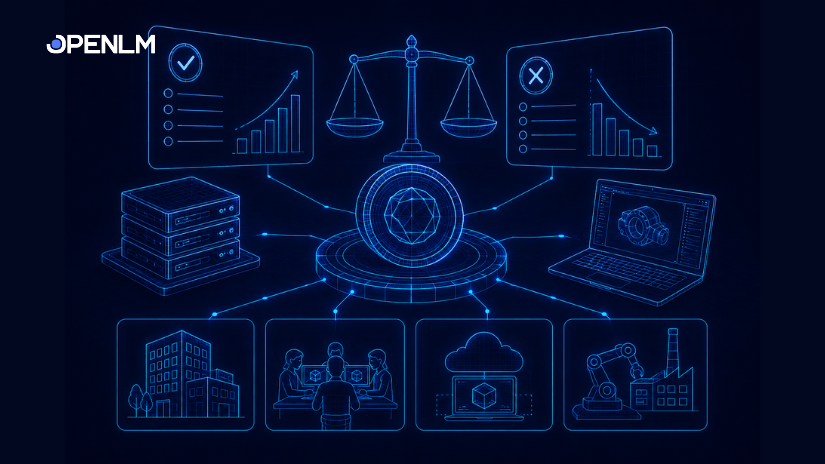
Here comes the importance of IT chargeback, also known as cost chargeback. It is the process of assigning IT bills to groups or departments using them rather than maintaining a centralized cost center. It ensures that the responsibility of cost optimization lies with individual departments, thus promoting ownership and better output.
We at OpenLM help you implement smart IT chargeback to ensure increased ROI and maximum productivity. Read on to understand how you can execute smart IT chargeback with OpenLM.
Implement IT chargeback with OpenLM: 3 smart ways
Plan efficient cost allocation by tracking actual usage
Consider your organization has bought five network licenses of software A, and you have five users. A few days later, you discover that one of the users accesses a license for one hour in the day while the other four users use it for five hours. In this scenario, you can manually calculate that four licenses were enough to serve the purpose—considering the standard eight-hour workday.
However, when the number of users is much higher, or the license type is more complicated (for example: cloud licenses), or both, it is not possible to manually calculate the exact number of licenses required. So, departments often end up paying for licenses based on headcounts without having any clue to track exact usage and execute data-driven allocations.
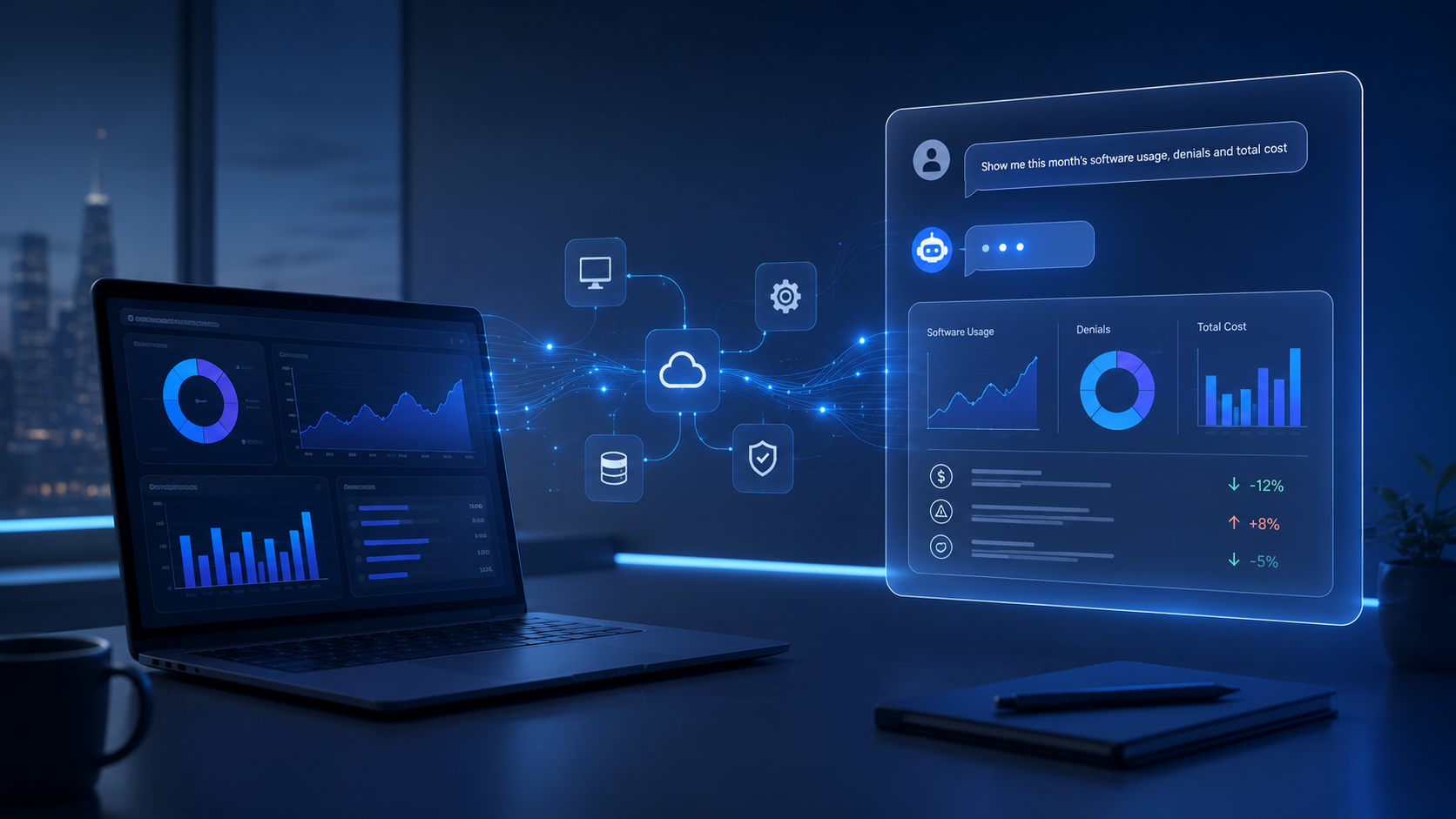
That’s where switching to OpenLM can make a difference. OpenLM facilitates reports that show your current usage trend and predict future requirements. Leveraging them, you can make your procurements data-driven and cost-effective.
Promote transparency with enhanced visibility into expenses
Now picture this: your organization has users of a host of applications spread into multiple teams. As a result, there are often conflicts between departments when it comes to cost allocation as per usage.
In such situations, you need a solution that shows who uses which software and for how long. Notably, OpenLM reports include usage per group and per project, which allows you to have complete visibility into the costs incurred by individual groups and projects, thus promoting transparency.
Control cost by identifying real-time optimization opportunities
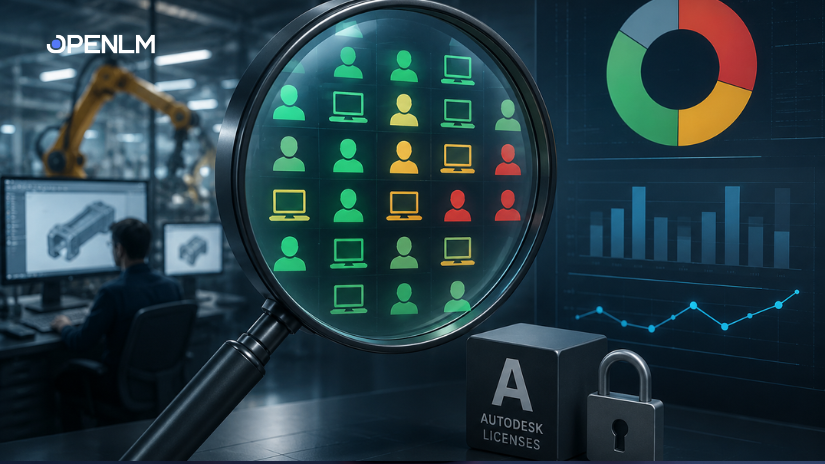
For smart chargeback, beyond tracking license usage and periodic cost allocation, real-time optimization is crucial, especially with network licenses. It is a common practice among engineers to access a license whenever they start work and hold it throughout the day—whether they are using it or not. In such scenarios, other users who really need the application may get denials. This not only affects productivity but also impacts budgeting as a number of licenses remain underutilized.
OpenLM comes with the feature of license harvesting where you can track idle licenses and release them back to the pool. You can also set custom commands to alert the engineer once a license becomes idle. Thus you can minimize wastage in real-time besides tracking usage pattern and periodic budget allocation.
With OpenLM, you can activate a host of IT chargeback opportunities, contributing to your organization’s overall ROI.
Have further questions? Join our upcoming webinar on IT chargeback, and resolve your doubts in real time.