
OpenLM for Sentinel: Master your security-enforced license estate
Gain 360-degree visibility into Sentinel RMS, HASP, and SuperPro. Eliminate license denials, automate harvesting, and transform technical data into strategic business value.


OpenLM for Sentinel | Solution overview
Organizations use the OpenLM Platform to:
- Centralize multi-generational governance: Manage modern RMS and legacy SuperPro/HASP dongles in one unified dashboard alongside 200+ other vendors.
- Resolve “License not found” deadlocks: Use per-second denial tracking to identify exactly when and why engineers are being blocked from critical features.
- Automate concurrent harvesting: Reclaim idle Sentinel seats from “zombie” applications automatically, returning them to the pool without user intervention.
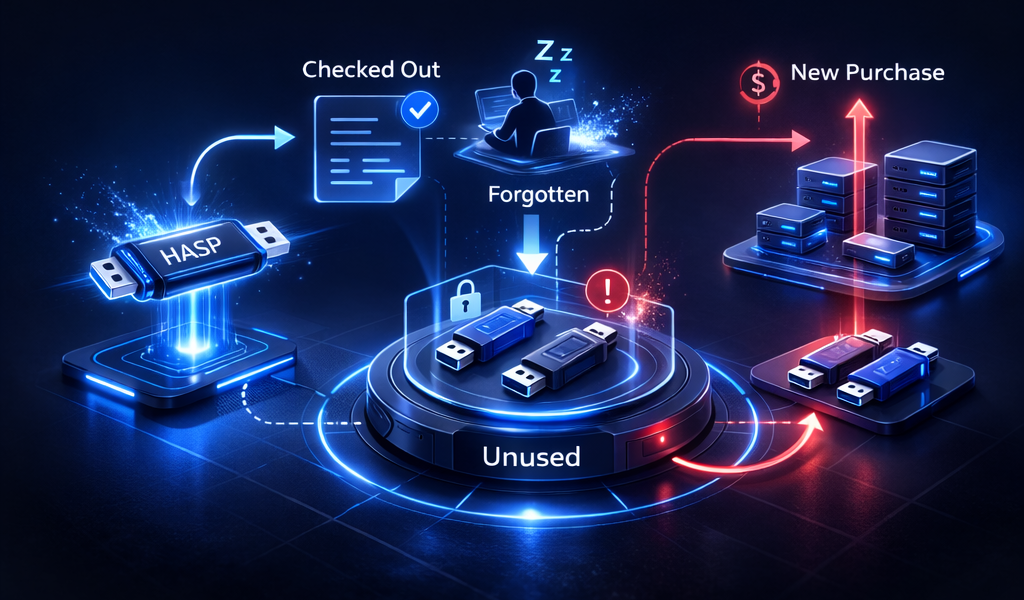
- Audit-proof your hardware: Track the location and usage of physical USB HL keys, eliminating the “lost dongle” risk and manual inventory spreadsheets.
- Negotiate based on reality: Use independent data to challenge vendor “true-up” estimates and right-size your Sentinel LDK/RMS renewals.
The Sentinel licensing reality
Sentinel’s robust security is designed to protect vendor IP, but for the customer, it often creates “black boxes” of usage data.
Standard tools often fail to catch:
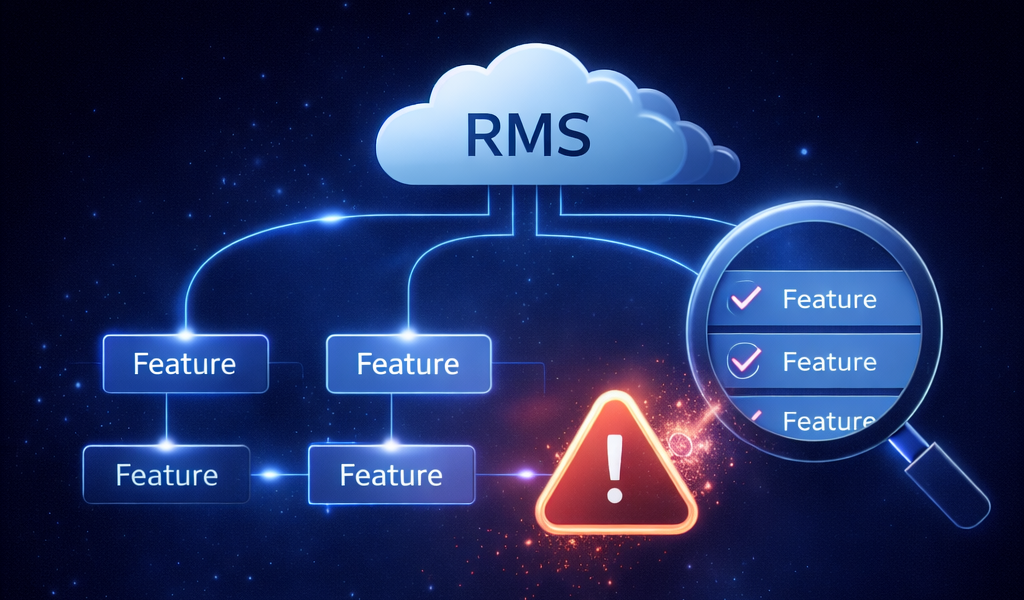
The Feature-level blind spot
Dongle underutilization
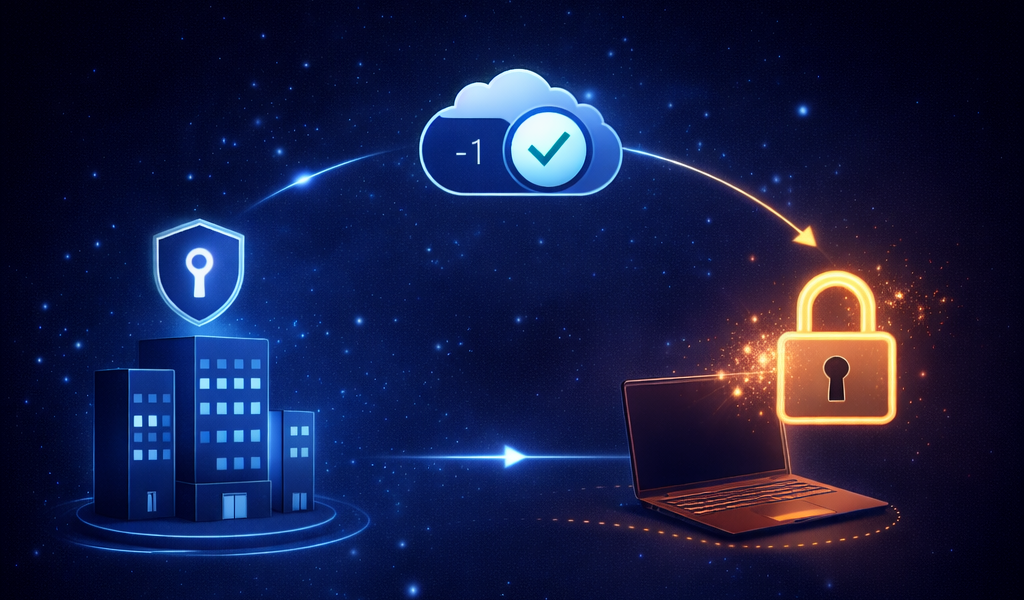
Commuter license leakage
OpenLM provides the visibility layer to enjoy Sentinel’s security without the operational blind spots.
Solving Sentinel complexity with OpenLM
Stop reacting to license shortages. Start managing your software as a strategic asset.
The Sentinel challenge | The business risk | The OpenLM solution |
Peak-time denials | Engineers lose productive hours when Sentinel seats are maxed out during deadlines. | Threshold alerting Receive real-time triggers when usage hits 95% to prevent widespread denials. |
Silent seat hoarding | High-value licenses stay “locked” by users who aren’t actively running calculations. | Active harvesting Detect process-level heartbeats; save and release idle seats for immediate reuse. |
Anonymous usage | Legacy HASP/SuperPro often only identifies a machine ID, not a specific person or project. | Identity mapping Resolve machine IDs to Active Directory (AD) users for 100% accurate cost allocation. |
Manual dongle tracking | No central record of who has which physical key or how often they use it. | Dongle monitoring Centralized visibility into physical key activity across the global enterprise. |
Stop the cycle of Sentinel license denials
Most organizations find that 15–25% of their Sentinel license estate is idle at any given time, while other users are simultaneously blocked from working. Get a data-backed view of your environment today.
Integrated governance for the Sentinel ecosystem
1
The Broker (Multi-protocol data collection)
The OpenLM Broker is a lightweight component that queries the Sentinel Admin Control Center (ACC) and RMS License Manager locally. It captures raw logs and denial data with 1-second resolution, providing the granular transparency required to track feature-level activity that native vendor portals often lack.
2
The Active Agent (Advanced harvesting and control)
Essential for maximizing Sentinel concurrency, the Active Agent monitors the “heartbeat” of protected applications. It distinguishes between an active designer and an idle session. If a license is stagnant, the Agent can trigger a “Save and Close” command to reclaim the seat for the pool, preventing the need to buy “safety” licenses.
3
Enterprise Sync (Identity and project mapping)
OpenLM bridges the gap between technical Sentinel IDs (machine fingerprints) and your Active Directory (AD). This allows for automated departmental chargebacks and ensures every second of usage is attributed to the correct project code or business unit.
Capability matrix: Sentinel ecosystem support by OpenLM
From legacy hardware to modern cloud-served RMS, OpenLM provides a unified management layer.
Licensing model | Key technology | Visibility and monitoring | Optimization power |
Sentinel RMS | API-based, Hybrid | Feature-level tracking & Cloud-served lease analysis. | Active harvesting Automated closure of idle sessions. |
Sentinel HASP | HL (Hardware) & SL (Software) | Real-time monitoring of the Admin Control Center (Port 1947). | Seat reallocation Identify and reclaim underutilized hardware keys. |
Sentinel SuperPro | Hardware Dongles | Legacy network control (SuperProNet) monitoring. | Usage intensity Data-driven evidence for migration to modern RMS. |
Commuter/Borrowed | Offline Licensing | Visibility into who has “checked out” a license for offline work. | Expiration tracking Prevent “lost” licenses by monitoring return dates. |

Sentinel investment guide—ROI beyond the invoice
Shift from reactive maintenance to proactive governance with data-driven leverage.
Establish an independent “Source of truth”
Stop relying on vendor logs that only show successful checkouts. Access a 100% independent audit trail of denials and idle time to challenge maintenance fees and avoid unjustified “true-up” fines.
Drive renewal negotiation power
Enter your next Sentinel LDK or ELA renewal with certainty. Right-size your inventory by identifying the 20–30% of licenses typically lost to idle sessions or misplaced physical dongles.
Automate financial accountability
Eliminate manual internal billing. OpenLM tracks which specific user is consuming a Sentinel seat and links them to their department via Active Directory for 100% transparent internal chargebacks.
Trusted by Leaders and Industry Giants


Join Fortune 500 companies worldwide who have achieved significant ROI with OpenLM
Ready to audit-proof your Sentinel estate?
Stop guessing who has your physical dongles or why your RMS seats are always “maxed out.” Join leading engineering firms who use OpenLM to reclaim 20% of their Sentinel capacity in the first 30 days.
Frequently Asked Questions (FAQs)
Yes. OpenLM is continuously updated to support the latest iterations of the Thales Sentinel ecosystem, including both LDK (HASP) and the RMS license managers.
Yes. Using the Virtual License Manager (VLM), OpenLM can set hard limits on usage to ensure you never exceed your owned license count, effectively turning “open” environments into “controlled” ones.
OpenLM monitors the “Dongle ID” and associates it with the machine and user currently accessing it. If the dongle is plugged in but not being utilized, OpenLM flags it for reallocation.
OpenLM uses a specialized Dongle Monitoringservice. By installing the OpenLM Agent on workstations, the system identifies the moment a physical USB key is plugged in, tracking the exact user, machine, and duration of use. This eliminates “ghost” inventory and allows you to blacklist lost or stolen hardware keys.
OpenLM is designed for global deployment. A single instance of OpenLM Server can monitor multiple Sentinel servers across different time zones. The OpenLM Broker handles the local time offset, ensuring all usage data is synchronized to a single, unified timeline for accurate global reporting.
Yes. Sentinel RMS allows users to “check out” a license for offline use, which often makes that seat appear “in use” even if the engineer isn’t working. OpenLM tracks these borrowed seats, providing visibility into who has them and when they are due for return, preventing artificial license shortages.
While the OpenLM Server can query Sentinel RMS directly for basic totals, we highly recommend installing the OpenLM Broker on the license server. The Broker is required to read Sentinel usage logs, which are essential for Denial Reporting and high-fidelity, per-second usage tracking.
Absolutely. OpenLM provides a “single pane of glass” for your entire Sentinel estate. You can monitor legacy hardware-based SuperPro systems and modern software-based Sentinel RMS or LDK (HASP) instances within the same dashboard, simplifying your transition to modern licensing models.
Yes, through Active Harvesting. If an engineer leaves a Sentinel-protected application open while idle (e.g., during meetings or overnight), OpenLM detects the inactivity. It can automatically save the user’s work and release the license back to the pool, increasing seat availability by up to 20% without purchasing new software.