The reality of engineering software
In high-stakes industries like Aerospace and Automotive, software vendors like Wibu-Systems (CodeMeter) and Thales (Sentinel/HASP) use physical USB dongles to enforce licenses. These aren’t just thumb drives; they are the “keys to the kingdom” for applications ranging from $1,000 plugins to $100,000 high-fidelity simulation suites.
The “lost” scenario
Every year, approximately 2% of an organization’s physical dongle inventory goes missing. Usually, the customer declares the plug lost, notifies the vendor, and pays for a replacement. But here is the “Bad News” that most CIOs ignore: The original license often still works.
The risk: Compliance and security
- The “ghost” user: If a “lost” dongle is found by a former employee or an unauthorized contractor, they can run high-value software for free on your network.
- The audit trap: During a vendor audit, if a license you declared “lost” (and replaced) is detected as active on your network, you aren’t just looking at a “misunderstanding”—you are looking at a massive compliance breach and potential six-figure fines.
- Shadow operations: Unmanaged hardware allows for “shadow IT” to thrive, where projects are executed using unlicensed or “found” assets, bypassing your cost-center tracking.
The OpenLM solution: The global blocklist
The OpenLM Platform provides the industry’s first autonomous response to lost assets.
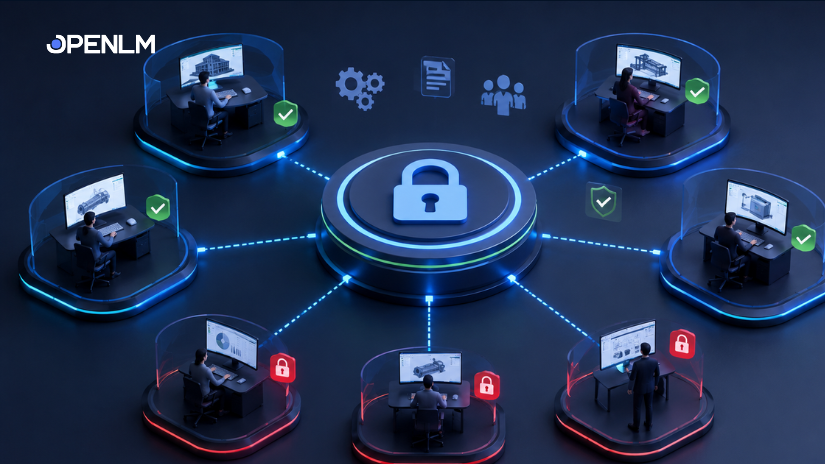
- Declare and denylist: Instantly move a Device ID from “Active” to “Blacklisted” in a central registry.
- Network-wide detection: The moment a blacklisted device is plugged into any workstation globally, the OpenLM Agent flags it.
- Instant containment: Receive real-time alerts (Email/ITSM) identifying the exact user and machine attempting to use the unauthorized asset.
Stop hoping your lost assets stay lost. Start managing your network with radical transparency.