LM-X License Manager is a versatile, cross-platform solution primarily used by Independent Software Vendors (ISVs) to manage network, node-locked, and token-based licenses for engineering and high-value software. It supports major operating systems including Windows (including ARM64), Linux (including ARM), and macOS. Key supported applications include engineering software from Altair (e.g., HyperWorks, PBS Professional, FEKO) and other tools integrated with HASP dongles.
However, as these specialized tools are essential for tasks like semiconductor design and thermal simulation, managing their access effectively is the difference between seamless innovation and costly downtime.
At OpenLM, we understand the complexity of these technical environments. Our platform supports over 90 engineering license managers, including the specialty ones.
Additional Read: Mastering the DNA of ITAM: A deep dive into ISO/IEC 19770
What is the LM-X license manager?
Developed by X-Formation, LM-X is a robust solution designed to protect intellectual property and control software distribution. It is a preferred choice for the engineering and scientific sectors because it manages the sophisticated licensing models these fields require.
LM-X offers several flexible models to suit different team structures:
- Network (floating) licenses: You can share a pool of licenses across your entire network to maximize usage and reduce the total number of seats you need to buy.
- Node-locked licenses: You can tie software to specific workstations for dedicated, high-priority tasks.
- Token-based licensing: Your team consumes “tokens” from a common pool based on the specific features or products they use.
- Pay-per-use: You pay only for actual consumption, which helps you manage peak demand without overcommitting your budget.
Additional Read: Take control of Autodesk named-user licensing with OpenLM
Features that support technical workflows
Engineering projects often move between the office and the field. LM-X provides specialized features to ensure your work never stops.
Resilience through license borrowing
Technical work does not always happen at a desk. LM-X allows you to “borrow” a network license and check it out to a local machine. This enables your engineers to continue working in remote locations without a persistent network connection. Additionally, grace licenses provide a safety net by allowing software to stay active even if the license server connection flickers.
Security and compliance
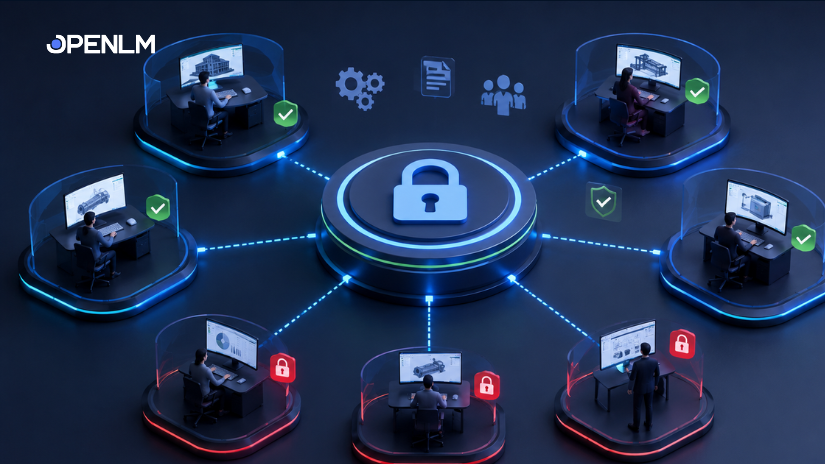
LM-X uses “heartbeat” checks to maintain security. The application periodically communicates with the server to verify the license is active. It also includes advanced system clock checks. This prevents unauthorized users from tampering with time settings to extend trial or limited licenses.
Simplified server discovery
In large-scale environments, manual configurations are time-consuming and prone to error. LM-X supports automatic server discovery. This allows client applications to find the correct license server on the network automatically, reducing the administrative burden on your IT department.
Optimize your investment with OpenLM
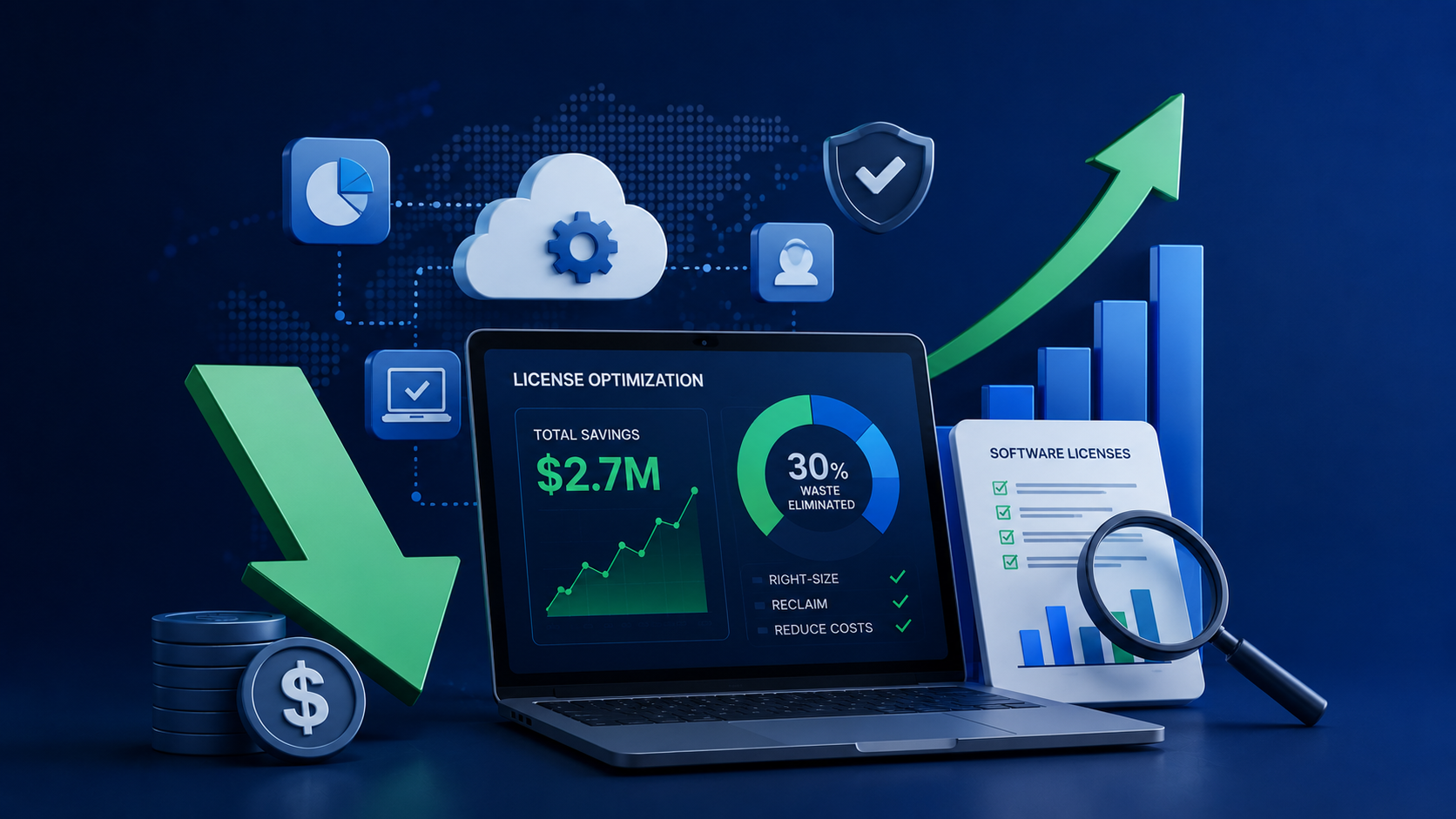
Managing LM-X licenses is about more than just maintaining access. It is about understanding how your resources are used so you can eliminate waste. Without deep visibility, you might pay for “shelfware”—expensive licenses that sit idle while other team members face denials.
The OpenLM Platform provides the specialized oversight you need for your technical software estate. By integrating our solution with your LM-X environment, you gain a “single source of truth” for all your software assets.
Advanced qualities of the OpenLM Platform:
- Automated idle license reclamation: OpenLM detects when an application is active but not in use. It can automatically release that license back into the pool for another user.
- Real-time denial tracking: You can see exactly when and why engineers are blocked from their work, allowing you to right-size your license pools with data-driven precision.
- Comprehensive reporting: Our platform provides deep insights into usage patterns, group-specific consumption, and project-based costs.
- Project-based tracking: You can align software costs directly with specific projects or departments, making internal chargebacks simple and accurate.
Choosing the OpenLM Platform is a prudent choice for managing your LM-X license manager and ensuring your engineering teams stay productive.
Learn more about managing LM-X licenses with OpenLM.
Frequently asked questions
What is the LM-X license manager used for?
The LM-X license manager is a tool used by software vendors to protect their intellectual property and by organizations to manage how their employees access specialized software. It is particularly common in engineering and scientific fields for managing high-cost, specialized applications.
How does LM-X license borrowing work?
License borrowing allows a user to “check out” a license from the network pool to their local machine. This is helpful for engineers who need to work offline or in remote locations where they cannot maintain a constant connection to the license server.
What is a grace license in LM-X?
A grace license is a temporary license that allows the software to continue running if the connection to the license server is lost. This prevents the application from shutting down unexpectedly, which protects the user’s work and data.
Can OpenLM help reduce my LM-X software costs?
Yes. OpenLM provides detailed usage data that identifies “shelfware”—licenses that you pay for but do not use. It also helps you avoid unnecessary purchases by showing exactly when your team experiences license denials and if you truly need more seats.
Does OpenLM support other license managers besides LM-X?
Yes. OpenLM supports over 90 engineering license managers, the highest in the industry.