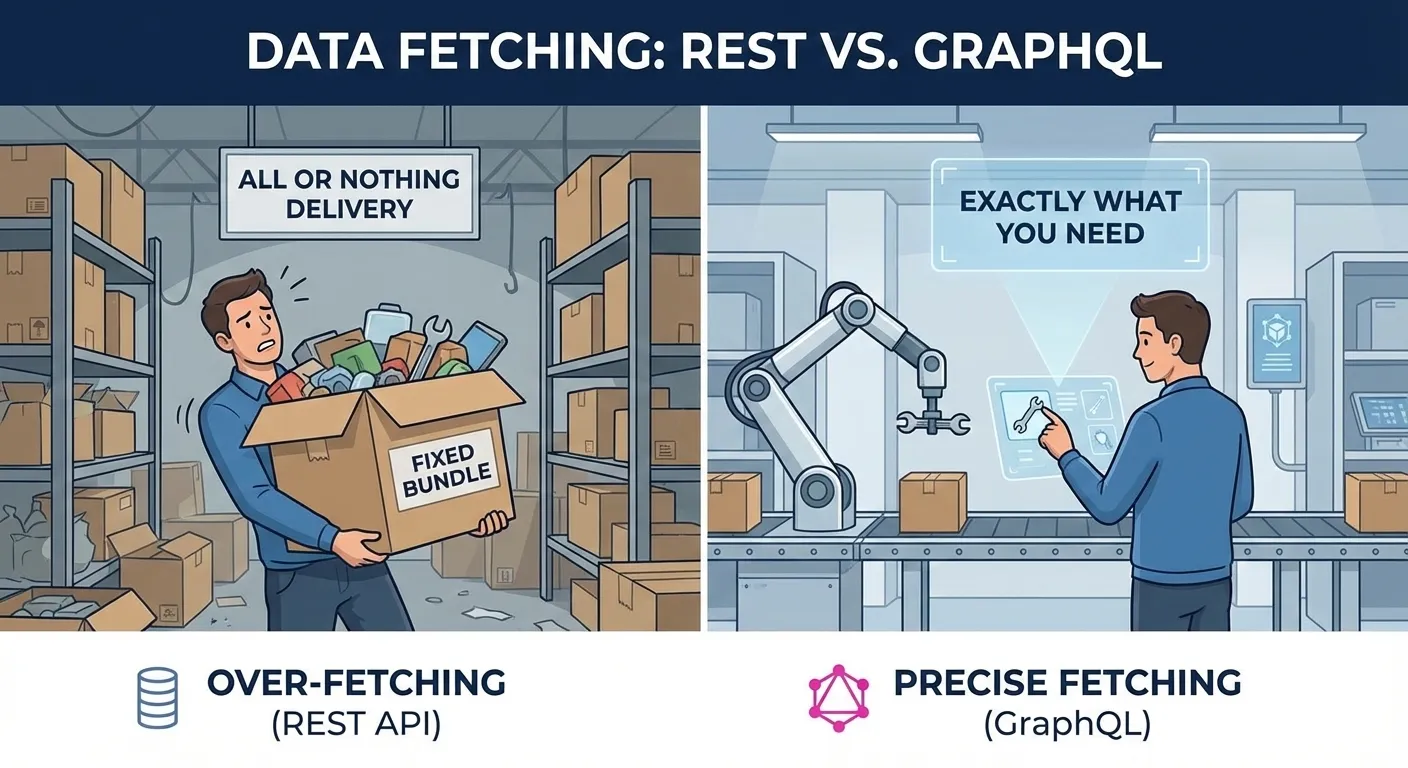
Imagine buying a three-year supply of winter coats for your entire staff, only to have a massive heatwave hit six months later. You are stuck with a warehouse full of expensive coats nobody can wear, while simultaneously having to buy t-shirts.
This is the reality of traditional enterprise software licensing in engineering.
Engineering firms—particularly in semiconductor (EDA), automotive, and aerospace sectors—sign multi-million dollar, multi-year agreements for vast portfolios of tools from vendors like Cadence, Synopsys, Siemens EDA, or Ansys. You predict what your engineers will need three years from now, sign the contract, and cross your fingers.
But engineering is dynamic. Projects pivot, new methodologies emerge, and product lifecycles shift from design phases to verification phases abruptly. When your static contract meets a dynamic project workflow, the result is usually “shelfware”—expensive licenses gathering dust—while engineers clamor for tools you don’t have enough of.
Enter the escape hatch found in many high-end enterprise agreements: The License Remix.
What Exactly is a “License Remix”?
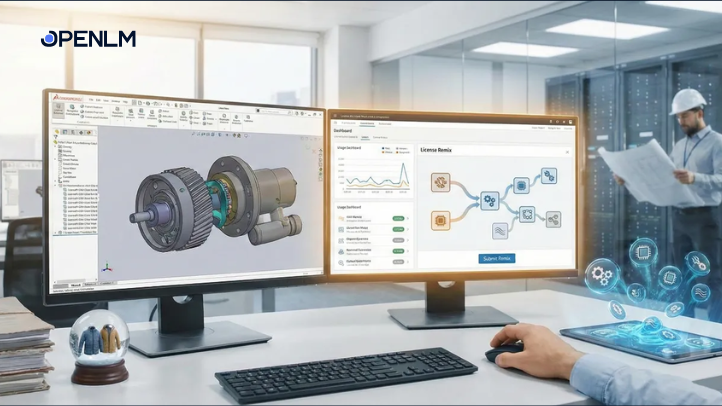
In the context of engineering software, a License Remix is a contractual clause that grants the customer flexibility to exchange license entitlements during the term of an active agreement.
It transforms your contract from a fixed list of products into a flexible “pool of value.”
Instead of buying 50 seats of Tool A and 50 seats of Tool B and being stuck with them forever, a Remix clause allows you to tell the vendor at specific intervals: “I want to trade in 20 seats of Tool A and use that credit to acquire 15 seats of Tool C instead.”
It ensures that the software you are paying for matches the software your engineers actually need right now.
The Mechanics: How a Remix Works
While every vendor has unique terms, standard enterprise remix clauses generally operate on these principles:
1. Value-for-Value Exchange (Tokens)
You rarely swap licenses on a one-for-one basis. A basic schematic editor doesn’t cost the same as a high-end thermal simulation suite.
Remixes are usually calculated based on the “list price value” of the tools, or more commonly, through a “Token” or “Credit” system. You possess a pool of, say, 100,000 tokens. You can deploy those tokens against any mix of tools in the vendor’s catalog.
2. The Remix Window
You cannot wake up on a Tuesday and decide to remix your portfolio. It is a structured process. Contracts usually specify “Remix Windows”—perhaps quarterly or semi-annually—where you must submit your desired changes to the vendor 30 days in advance of the new period.
3. The “Remix Cap”
Vendors need revenue predictability, so they rarely allow you to swap 100% of your portfolio. Most contracts include a “Remix Cap.” For example, a 20% Annual Remix Cap means that if your total contract value is $1M per year, you can only shuffle $200k worth of those licenses. The remaining 80% is locked in.
The Strategic Value of the Remix
For IT Directors and CAD Managers, the Remix clause is vital for three reasons:
- Matching Project Phases: A chip design team might need heavy front-end design tools in Year 1, but heavy verification and physical layout tools in Year 2. A remix allows the license pool to follow the project lifecycle without increasing the total budget.
- Adopting New Technology: If your vendor releases a groundbreaking new simulation tool halfway through your three-year contract, you don’t have to wait for renewal to get it. You can remix into it during the next window.
- Killing Shelfware: The most obvious benefit is cost avoidance. If data shows a specific tool hasn’t been touched in six months, you can remix it out of the portfolio and replace it with something that is constantly experiencing denials.
The Hidden Challenge: The “Remix Guessing Game”
On paper, the License Remix sounds like the perfect solution to licensing rigidity. But in practice, it is incredibly difficult to execute well.
Why? Because most organizations lack the data to know what they should remix.
When a remix window approaches, CAD managers often find themselves scrambling. They rely on anecdotal evidence from angry engineers (“We need more Tool X!”), gut feelings, or static spreadsheets that don’t reflect reality.
Guessing wrong on a remix is painful. If you trade away a tool you actually needed, you will face six months of license denials and stalled engineering productivity until the next window opens.
The OpenLM Advantage: Remixing with Confidence
A License Remix clause is only valuable if you have the intelligence to use it. This is where software license management solutions like OpenLM become critical to the engineering workflow.
To execute a successful remix, you need historical, granular usage data. You need to answer questions like:
- Which expensive tools have had 0% utilization over the last six months? (Candidates to be remixed out)
- Which tools are experiencing high denial rates and high “heatmap” usage during peak hours? (Candidates to be remixed in)
- Are the requests for “more tools” coming from a single power-user, or is it a sustained team-wide need?
OpenLM provides the data visibility required to move from “remix guessing” to “strategic portfolio management.” By tracking actual usage patterns over time, CAD managers can approach a remix window armed with irrefutable facts, ensuring the new portfolio mix perfectly aligns with current engineering demands.
Don’t let your valuable remix clauses go to waste due to a lack of data.
Are you approaching a remix window or a contract renewal with a major EDA or CAD vendor? Contact OpenLM today to see how we can provide the visibility you need to optimize your portfolio.