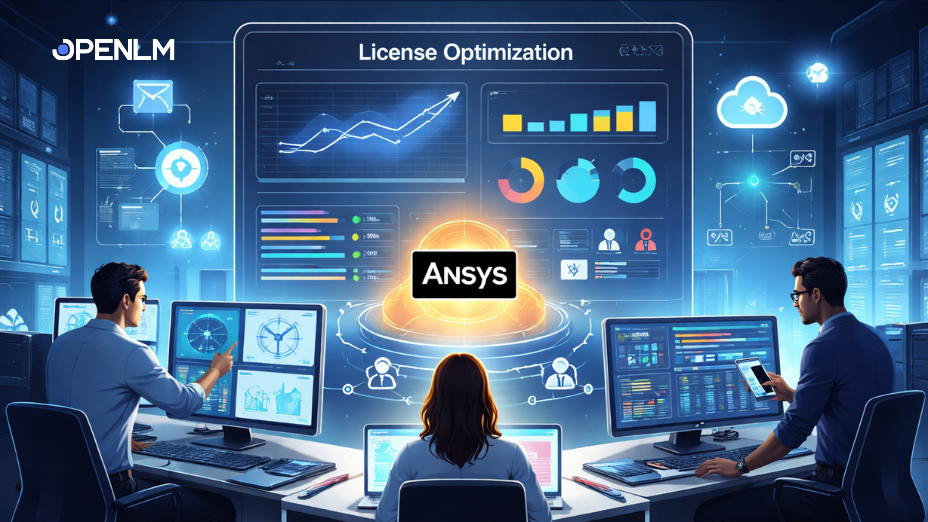
Did you know that companies typically waste 30% or more of their software budget on unused or underutilized licenses? In the world of engineering, where your team depends on powerful and often expensive software like CAD/CAM and simulation tools, this waste can translate to hundreds of thousands of dollars each year.
This is a problem many companies face, especially with the floating license model. While this model is designed for flexibility, it can quickly become a source of frustration and wasted spending if not managed effectively. The solution? Floating license optimization.
What is floating license?
Key features:
- A shared software license model, also known as a concurrent or network license.
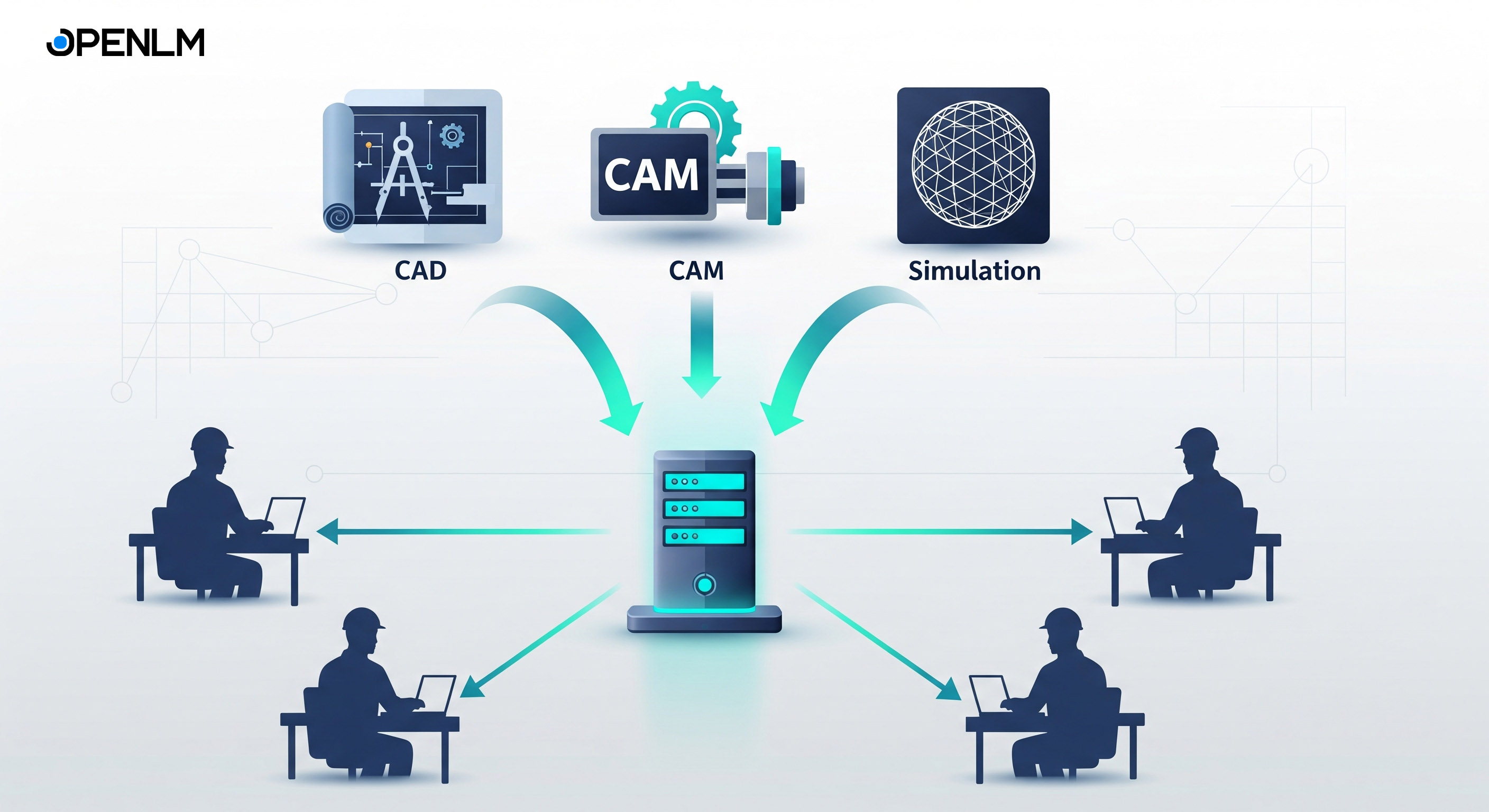
- Instead of one license per user, a pool of licenses is available to everyone on the network.
How it works:
- Check out: When a team member opens the application, they “check out” a license from the pool.
- Return: Once they’re finished, the license is returned to the pool, making it available for the next person.
Why choose floating licenses?
- Cost-effective: Support more users than you have licenses, perfect for teams where not everyone needs simultaneous access.
- Flexibility: Licenses can be used by anyone on the network, maximizing software utilization.
- Efficiency: No need to manage individual licenses; the system handles allocation.
A few important players offering concurrent licenses
- Flexera FlexNet (FLEXlm)
- IBM LUM (License Use Management)
- Dassault Systèmes DSLS
- Reprise RLM
- Sentinel RMS
- MathLM (MathWorks)
Why floating license optimization is crucial for your company
You’ve invested heavily in your engineering software, but are you getting your money’s worth? Without proper floating license optimization, your company could be facing several costly issues:
- Wasted budget: Licenses sit idle for hours or days, representing a significant financial investment that isn’t being utilized. You’re paying for software that no one is using.
- Lost productivity: Have you ever seen an engineer get a “license denied” error? This frustrating message brings work to a halt, delays projects, and impacts your team’s morale.
- Poor purchasing decisions: Without a clear understanding of your team’s usage patterns, it’s a guessing game to know when to buy more licenses. This can lead to either overspending on unnecessary licenses or creating a bottleneck with too few.
- Unexpected audits: Staying on top of license compliance can be a challenge. Ineffective management can expose your company to the risk of penalties from software vendors if you accidentally exceed your license count.
How you can optimize your floating licenses
The good news is that you don’t have to guess or waste money. By implementing a dedicated engineering software license management solution, you can take control and ensure your licenses are always working for you. Here’s what to look for:
- Real-time usage analytics: Gain a complete picture of how your team uses the software. A good system provides detailed license usage analytics for engineering software, showing who is using what, for how long, and during which hours. This data is the key to identifying waste and understanding your true needs.
- Automated license harvesting: It’s common for an engineer to open a program and then step away for an extended period, holding onto a valuable license that others could use. An automated system can detect this inactivity and “harvest” the license, returning it to the pool for another user to check out.
- Custom reporting: Generate detailed reports on floating license usage reporting to understand peak usage times, identify which licenses are underutilized, and build a strong business case for future software purchases.
- Compliance made easy: Stay on top of your license agreements with automated alerts that notify you when you are nearing your license limit. This proactive approach helps you manage license compliance with ease.
- CAD/CAM software license management: For specialized tools, a management system can even track which specific features within a product are being used. This insight helps you ensure your most expensive licenses are reserved for the team members who truly need them.
By using these strategies, companies can achieve substantial floating license cost reduction, with many reporting savings of 15-30% on their software budget.
Concluding thoughts
Your engineering team’s productivity and your company’s bottom line depend on efficient software usage. That is why it is important to eliminate waste, improve workflows, and ensure your licenses are an asset, not a liability.
If you’re ready to start getting the most out of your engineering software investment, explore how the right solutions can help. Schedule a discovery call with OpenLM to discuss your challenges and discover a path to greater efficiency and savings.
FAQs
What is a floating license in engineering software?
A floating license, also known as a concurrent or network license, is a shared software license model where a pool of licenses is available to everyone on the network. When a team member opens the application, they “check out” a license from the pool, and when they are finished, the license is returned, making it available for the next person.
This model is cost-effective as it allows more users to be supported than the number of licenses, making it ideal for teams where simultaneous access is not always required.
How do you optimize floating licenses for engineering software?
You can optimize floating licenses by implementing a dedicated engineering software license management solution. Key strategies include:
- Real-time usage analytics: Gaining a complete picture of software usage to identify waste and true needs.
- Automated license harvesting: Detecting inactivity and automatically returning licenses to the pool for other users.
- Custom reporting: Generating detailed reports on usage to understand peak times, identify underutilized licenses, and inform future purchases.
- Compliance made easy: Receiving automated alerts when nearing license limits to ensure compliance.
- CAD/CAM software license management: Tracking specific feature usage within specialized tools to ensure expensive licenses are used efficiently.
Why is floating license optimization important for engineering vendors?
Floating license optimization is crucial for engineering vendors because it directly impacts customer satisfaction, revenue, and market competitiveness. By helping customers efficiently manage their software licenses, vendors can turn a potentially frustrating experience into a positive, value-driven relationship.
Which engineering software supports floating licenses?
Several important players offering concurrent licenses, which include:
- Flexera FlexNet (FLEXlm)
- IBM LUM (License Use Management)
- Dassault Systèmes DSLS
- Reprise RLM
- Sentinel RMS
- MathLM (MathWorks)